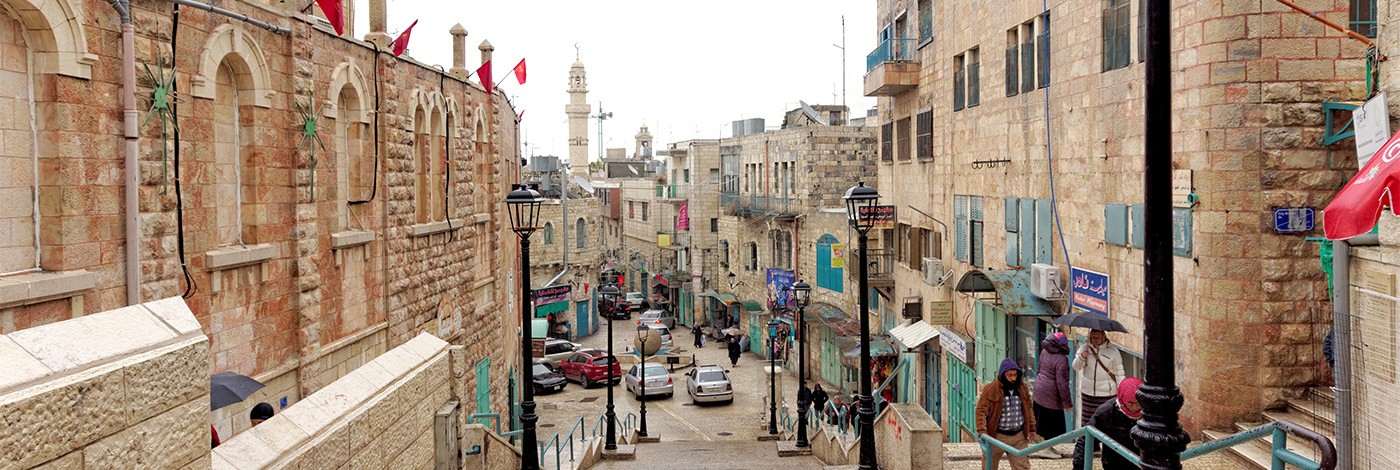
Famously known in tradition as the birthplace of Jesus, Bethlehem holds much significance to Christians worldwide. During Holy Week and Christmas, the city becomes clad in colorful decorations to welcome the thousands of pilgrims and visitors from all over the world who flock to the town to mark these religious celebrations.
As the birthplace of Jesus, Bethlehem holds considerable historical importance. However, the city's history goes back much further than the time of Jesus, as archeologists have recently dated numerous findings to multiple historical periods such as the Bronze and the Iron Ages. Its ancient roots go back to when it was first mentioned in the old Egyptian Amarna letters dating back to the 14th century BC.
Perhaps one of the most famous legends associated with the city is the Star of Bethlehem. It is held in a tradition that a uniquely glittering star had appeared in the sky to lead the Three Wise Men or Biblical Magi to the place where Jesus had been born. Hence, visitors will always notice the many stars mounted above the countless buildings in the city as a sign linking their inhabitants to the city's religious importance.
The city is about 10 km away from the south of Jerusalem. It is 65 km from Allenby Bridge, 60 km from Ben Gurion Airport, and about 190 km from Sheikh Hussein Bridge in the north.
Top Tourist Attractions
- Church of the Nativity. Built where many believe is the exact location where Jesus was born, the Church of the Nativity is one of the three most remarkable churches in Palestine and one of the most important in Christendom.
- The Grotto of the Nativity. Also known as the Milk Grotto, it is a white marble cavern, believed to have been the site where Virgin Mary nursed Jesus while seeking shelter from Herod's soldiers.
- Saint Theodosius Monastery. The Monastery houses a cave of white walls where it is believed Saint Theodosius is buried.
- Mar Saba Monastery. This Greek Orthodox monastery, with its scenic views, is a wonder to travelers from all over the world. It maintains an unchanged monastic lifestyle since the times of Constantine, and as part of that tradition, it does not allow entrance to women. To their consolation, however, women may enter the eponymous Women's Tower near its main entrance.
- Herodion. The highest peak in the Judean Desert is a cone-shaped Hill that holds the remains of a substantial luxurious palace-fortress and citadel built by Herod the Great. The view from the top is spectacular and overlooks the Dead Sea.
- King David's Wells. According to the Old Testament, this is the site where David's men broke through a Philistine garrison to bring him water.
- Saint George's Monastery. It is a pilgrimage shrine in the town of al Khader, famous for its annual Feast of Saint George. A horse dedicated to the patron saint would ride over pilgrims while allowing its bridles to touch them and 'cure' many ailments, particularly mental. In the town, visitors may also enjoy it's annual Grape Festival held each September.
- Shepherds' Fields. Located near the town of Beit Sahour not far from Bethlehem, the site is traditionally believed to have been the place where the angel Gabriel appeared to a group of shepherds to 'bring them the good tidings of Christ's birth. The field is also the convent site built in the 4th century by St. Helena, mother of Emperor Constantine the Great. It marks the s, pot where the annunciation took place.
- The Walled Off Hotel. Banksy disputed an art space, museum, and hotel. Have a coffee downstairs while taking in 'the worst view in the world,' namely the eight-meter-high (26 feet) separation barrier incorporated with powerful murals and notes of both hope and despair. Then wander through the compact but informative museum downstairs to get a summary of the wall and current issues affecting Palestine, all before traversing the gallery space upstairs that shows art by Palestinian contemporary artists.
- Museum of Palestinian Heritage. The center contains several exhibitions on Palestinian costumes, folklore, history, and other cultural aspects.